
One of the most common questions learner drivers ask is how many lessons to pass driving test UK, and the answer is not always simple. Every learner is different, and the time it takes varies based on experience, confidence, road awareness, and consistency. But understanding the DVSA guidance and knowing what helps learners improve faster makes the whole journey easier.
Below is a clear, realistic guide to how many lessons to pass driving test UK, along with helpful tips on how to make each lesson and practice session count.

What the DVSA Says About Lesson Numbers
The DVSA states that most learners take around 45 hours of professional driving lessons plus about 22 hours of private practice before feeling ready for their test.
You can check their official guidance here:
This isn’t a strict rule, but it provides a helpful starting point for thinking about how many lessons you’ll need to pass the UK driving test for your situation.
What Affects How Many Lessons You Need
When considering how many lessons to pass driving test UK, keep in mind that everyone learns at a different pace. A few things that influence your progress include:
- Your starting ability – Some learners have previous driving experience or natural road awareness.
- How often you take lessons – Weekly lessons build skills faster than lessons spaced far apart.
- Whether you practise between lessons, Learners who drive with a supervising driver learn quicker.
- Your instructor’s teaching style – A supportive, DVSA-approved instructor makes a huge difference.
- Familiarity with local test routes – Knowing the roads you’ll face during your exam speeds up learning.
Understanding these factors will help you make realistic, safe decisions.
How RouteBuddy Helps You Reduce Lesson Time
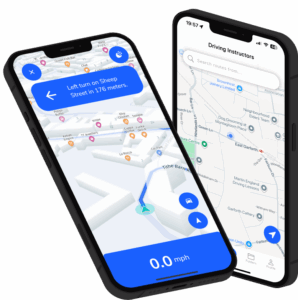
Using RouteBuddy alongside your lessons can shorten the number of hours you need before test day. The app lets you practise real test-style roads with turn-by-turn navigation, helping you repeat challenging areas until they become easier.
Learners who use RouteBuddy often improve their understanding of:
- Roundabouts
- Junction layouts
- Lane discipline
- Hazard spotting
- Speed awareness
This extra practice gives you a clear advantage when thinking about how many lessons to pass the driving test in the UK and helps you learn more efficiently.
Why Professional Lessons Still Matter
Even with great independent practice, structured lessons remain essential. A qualified DVSA instructor can correct mistakes early, guide you through manoeuvres safely, and help you build strong habits.
If you’re based in or near Northamptonshire, you can book your driving lessons with Let’s Instruct. Their instructors offer patient, supportive teaching that complements RouteBuddy route practice perfectly.
Signs You’re Getting Closer to Test-Ready
As you practise and learn, you’ll start seeing signs that you’re nearly ready. These signs help you picture how many lessons to pass driving test UK based on progress, not pressure:
- You rarely stall or panic at busy junctions
- You follow road signs and markings without reminders
- You handle roundabouts smoothly
- Your manoeuvres are steady and well-controlled
- You make decisions without hesitation
- You can drive a full 40-minute route safely
If these skills feel natural, you’re close to booking a test.
How to Make Each Lesson Count
To help reduce lessons to pass the driving test UK, use these simple strategies:
- Practise in between lessons using RouteBuddy to repeat test-style roads.
- Review mistakes immediately so they don’t become habits.
- Ask your instructor for honest feedback about your weak areas.
- Practise in different conditions, such as rain, evening traffic, and rural roads.
- Stay consistent — regular lessons help you progress quicker.
Small improvements each week add up quickly.
Final Thoughts
There’s no exact number of lessons required to pass the driving test in the UK, but a blend of professional lessons and realistic practice makes learning smoother and more effective. Use RouteBuddy to explore real routes, and work with a qualified instructor to steadily improve safety.
With the right approach, your test day will feel like just another drive — one you’re fully prepared for.
