
When learners begin preparing for their practical test, one of the first things they search for is driving test routes UK, and for good reason. Knowing the types of roads you’ll face helps you feel more settled, more aware, and more prepared for the rhythm of a real test. Even though the DVSA does not publish official routes, patterns still exist — and understanding them early can completely change the way you learn.
If you’re just starting your journey, here’s a more down-to-earth look at driving test routes UK, what they involve, and how to practise the right way.

Why Driving Test Routes Feel So Important
When learners talk about driving test routes UK, they’re usually thinking about the tricky bits: roundabouts that always seem busy, junctions with awkward visibility, roads where speed limits change suddenly, or one-way systems that feel confusing the first time you see them. These real-world situations are exactly what examiners use to understand how you react, plan, and stay safe.
It’s not about memorising the roads. It’s about becoming comfortable in the types of environments that recur on UK driving test routes.
What DVSA Says About Test Routes
The DVSA confirms that practical tests cover a mix of:
- Urban roads
- Rural lanes
- Dual carriageways
- Roundabouts
- One manoeuvre
- Roughly 20 minutes of independent driving
Their guidance is here:
These guidelines give you a clear sense of the structure of driving test routes in the UK, even if the exact streets vary.
How RouteBuddy Helps You Practise Real Routes
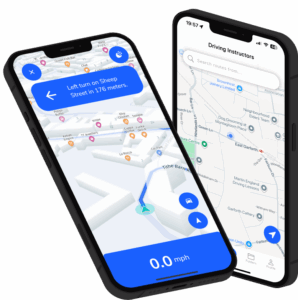
The most effective way to understand driving test routes in the UK is to practise them—or practise roads that closely resemble them. That’s exactly what RouteBuddy helps learners do. With turn-by-turn navigation for instructor-informed routes across the country, you get hands-on experience with the very types of roads examiners choose.
This allows you to revisit difficult areas, learn junction timings, understand lane positioning, and become accustomed to the local traffic rhythm. Over time, driving test routes become predictable rather than intimidating.
The more familiar the roads feel, the easier it becomes to focus on safe habits rather than worrying about where you’re going.
Why Lessons Still Matter: Let’s Instruct Driving School
Even with constant practice on UK driving test routes, guidance from a trained instructor is essential. They help correct problems early and teach techniques that apps cannot replace.
If you’re based in or near Northamptonshire and want supportive, structured guidance alongside your RouteBuddy practice, you can book your driving lessons with Let’s Instruct. Their instructors help you build solid driving skills that transfer perfectly into real test situations.
What Patterns You’ll Notice in Driving Test Routes UK
Once you start exploring driving test routes, you’ll spot key habits examiners look for:
- Staying calm when traffic conditions change
- Planning ahead before lane merges
- Reading roundabouts early
- Managing pedestrian-heavy areas
- Handling speed transitions smoothly
These patterns appear everywhere—from major cities to quiet towns—and recognising them makes everyday driving far less stressful.
Practice Tips for Driving Test Routes UK
If you want to get the most from driving test routes, try these simple routines:
- Practise the same areas at different times of day.
- Drive in light rain, low sunlight, and mild traffic to build adaptability.
- Revisit roads that challenge you — not just the ones you like.
- Use independent driving sessions with a sat-nav to prepare for test conditions.
- Treat each drive as a chance to build one new habit, not everything at once.
- Steady progress always beats rushed preparation.
A Realistic Way to Boost Confidence
The more you explore driving test routes, the more you realise that every test centre presents similar challenges. Busy roundabouts, tight turns, parked cars narrowing the road — these are everyday moments that help examiners see your awareness and control.
With practice routes from RouteBuddy and support from an effective instructor, these situations soon become routine rather than stressful obstacles.
Final Thoughts
Understanding driving test routes UK isn’t about memorising a map. It’s about becoming familiar with the kinds of roads that shape real-world driving. With repeated practice, gentle guidance, and the right tools, you’ll begin to feel ready long before test day arrives.
Each route you try is another step toward passing — but more importantly, toward becoming a safer, more confident driver for life.
